Advanced Dental Care with Laser Technology
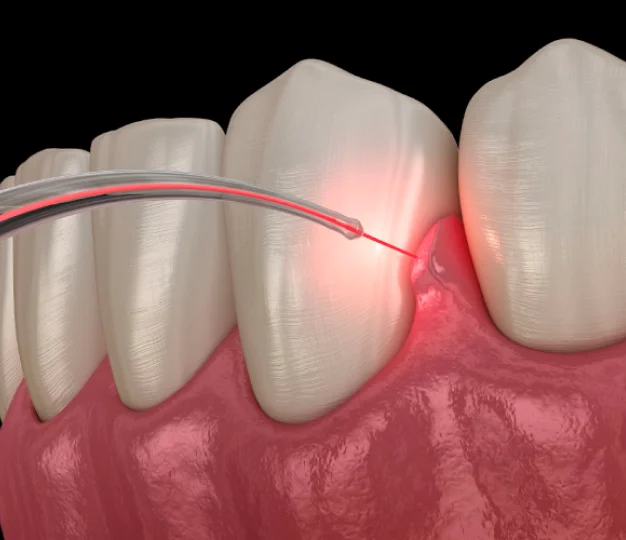
Modern dentistry continues to evolve, giving patients access to technologies that can make certain procedures more precise and comfortable. Laser dentistry uses focused light energy to treat specific areas of the mouth and can be used for select soft-tissue and dental procedures. Depending on the treatment, dental lasers may help reduce bleeding, limit tissue disruption, and support efficient healing.
At Belmont Dentistry, laser technology is used as part of a broader approach to personalized dental care. After evaluating your oral health and treatment needs, the team can determine whether laser dentistry is appropriate for the procedure you require.
What Can Laser Dentistry Treat?
Laser technology has several applications in modern dentistry, although not every dental procedure requires or benefits from laser treatment. Depending on the technology available and the treatment being performed, lasers may be used for certain soft-tissue procedures, gum treatments, and other targeted dental applications.
Laser dentistry may be considered for treatments involving:
- Gum tissue
- Excess or overgrown soft tissue
- Certain periodontal concerns
- Tissue contouring
- Select oral soft-tissue procedures
- Specific dental treatments where laser technology is appropriate
Who May Benefit from Laser Dentistry?
Laser dentistry may be an option for patients who need a procedure for which dental laser technology is appropriate. It can be particularly useful when treatment involves soft tissues and precise removal or reshaping of targeted areas.
However, laser treatment is not automatically the right choice for every patient or procedure. The appropriate technique depends on factors such as the condition being treated, the location of the affected tissue, and overall oral health. Belmont Dentistry can evaluate your needs and explain whether laser dentistry may be incorporated into your treatment plan.
What to Expect During Laser Dental Treatment
The experience of laser dentistry depends on the procedure being performed. Before treatment, Belmont Dentistry will explain what the laser will be used for and what you can expect during recovery.

Evaluate the Treatment Area– The affected tooth, gum tissue, or oral area is examined to determine the underlying concern and appropriate treatment approach.
Discuss the Treatment Plan – The procedure is explained before treatment begins, including how laser technology may be used and what the expected recovery may involve.
Prepare the Area – The treatment area is prepared according to the specific procedure. Local anesthesia may be used when appropriate to keep the experience comfortable.
Apply Focused Laser Energy – The dental laser delivers concentrated energy to the targeted area. The technology allows treatment to be directed precisely where it is needed.
Complete the Procedure – Once the necessary tissue has been treated, the area is evaluated to ensure the planned procedure has been completed appropriately.
Review Aftercare Instructions – You will receive guidance based on the treatment performed. Following these instructions can help support healing and protect your oral health after the procedure.
Supporting a More Comfortable Recovery
Recovery after laser dentistry varies depending on the procedure and the area treated. Some patients may experience mild tenderness, sensitivity, or temporary changes in the treated tissue as healing takes place. Following the specific aftercare instructions provided by the dentist can help protect the treatment area and support normal healing.
Good oral hygiene remains important, although you may need to adjust how you clean the treated area for a short time. Follow any recommendations regarding brushing, flossing, food choices, or activities that could irritate the tissue. If you notice unusual swelling, significant discomfort, persistent bleeding, or symptoms that become worse instead of improving, contact Belmont Dentistry for guidance.
Experience a Gentler Way to Care for Your Smile
Belmont Dentistry provides personalized laser dentistry based on each patient’s oral health and treatment needs. Our Peoria, AZ team explains your options clearly and helps you understand what to expect. If laser treatment may be appropriate for you, we can discuss the benefits and next steps. Call us at (480) 780-1406 to learn more.
Frequently Asked Questions
About Laser Dentistry
Laser dentistry uses a focused beam of light energy to perform dental procedures with precision. It is commonly used for gum treatments, soft tissue reshaping, and minor procedures, often with less bleeding, less discomfort, and faster healing than traditional methods.
Most patients find laser treatment comfortable. Many procedures require little or no anesthesia, though a topical or local numbing agent may be used depending on the treatment. You may feel mild warmth or pressure, but significant pain is uncommon.
Yes. When performed by trained professionals, dental lasers are considered safe and effective. Protective eyewear is worn during treatment, and the laser settings are carefully adjusted for each procedure to protect surrounding tissue.
Lasers are commonly used for gum disease therapy, gum contouring, crown lengthening, lip and tongue tie release, and certain soft tissue concerns. The best option depends on your exam and needs, and we will explain whether laser treatment is appropriate.
Many laser procedures are quick, often taking anywhere from a few minutes to about an hour, depending on the treatment. Simple soft tissue procedures may be completed in a short visit, while gum disease therapy may take longer.
Many patients experience less swelling, less bleeding, and a more comfortable recovery after laser procedures. Healing time varies, but the treated area often settles within a week or two with proper aftercare.
Often not. Because lasers seal small blood vessels and treat tissue precisely, many soft tissue procedures do not require stitches. If sutures are needed, we will explain why and how to care for the area.
Not entirely. Lasers are excellent for many soft tissue treatments, but some procedures, such as placing crowns or treating larger cavities, still rely on traditional tools. We choose the method that offers the best result for your specific situation.