Veneers are one of the most popular smile transformations in cosmetic dentistry. But are you actually a candidate for veneers? Take this quiz in Scottsdale and do a quick self-screening before your consultation. Knowing your candidacy in advance saves time and sets realistic expectations. Dr. Ambreen Sandhu at Belmont Dentistry Scottsdale walks patients through exactly this process every day.
This checklist covers the four key areas dentists evaluate. Think of it as your personal preview before the professional exam. Answer honestly — there are no wrong answers, only helpful ones.
Quiz Section 1: Do You Have Enough Tooth Structure for Veneers?
Veneers bond directly to the front surface of your teeth. That means your teeth need enough natural enamel to support them. Enamel is the hard outer layer that veneers adhere to during bonding.
Ask yourself these questions:
- Are your teeth severely worn down or eroded from acid?
- Have you had significant enamel loss from grinding or past decay?
- Are any of your front teeth heavily filled or structurally compromised?
- Has a dentist ever mentioned that your enamel is thin or weak?
If you answered yes to most of these, veneers may not bond well to your teeth. A dentist might recommend an alternative like crowns or bonding instead. However, mild enamel issues don’t always rule you out completely. A professional exam gives you the clearest picture.
Quiz Section 2: Is Your Gum Health Ready for Veneers in Scottsdale?
Healthy gums are a non-negotiable foundation for any cosmetic procedure. Inflamed or receding gums affect how veneers look and how long they last. Placing veneers over unhealthy gum tissue often leads to poor outcomes.
Answer these questions about your gum health:
- Do your gums bleed when you brush or floss?
- Have you noticed any gum recession or exposed tooth roots?
- Have you been diagnosed with gum disease in the past?
- Do you experience persistent bad breath, even after brushing?
Bleeding, recession, or past gum disease are signals worth addressing first. Dr. Sandhu typically recommends treating any gum issues before starting veneer treatment. The good news is that most gum problems are very treatable. Once your gums are healthy, you may become an excellent veneer candidate.
Quiz Section 3: Does Your Bite Affect Your Veneer Candidacy?
Your bite pattern plays a big role in veneer success. Veneers are durable, but they are not indestructible. Certain bite issues place excessive force on porcelain, causing chips or early failure.
Consider these bite-related questions:
- Do you grind your teeth at night or clench your jaw during the day?
- Does your upper jaw significantly overlap your lower jaw (deep bite)?
- Do your teeth bite edge-to-edge rather than overlapping naturally?
- Have you ever cracked or chipped a tooth from biting something hard?
Bruxism — the clinical term for tooth grinding — is one of the most common concerns dentists flag. Many grinders can still get veneers, but they often need a custom night guard too. An edge-to-edge bite may need minor orthodontic correction first. Dr. Sandhu evaluates each bite individually to find the safest path forward.
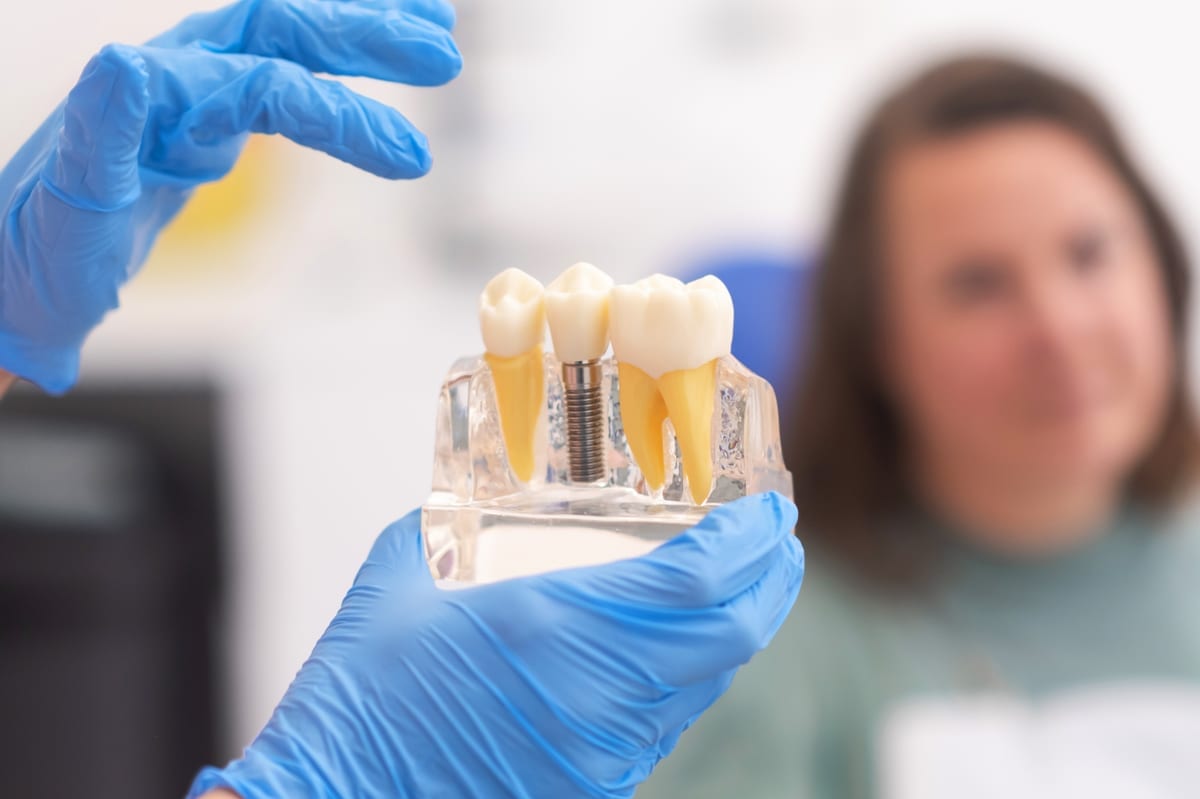
If you are also missing teeth and wondering about restorative options alongside veneers, Dental Implants Scottsdale may be part of your full smile plan discussion.
Quiz Section 4: Do Your Habits Support Long-Term Veneer Success?
Veneers can last 10 to 15 years or more with proper care. Your daily habits directly impact that lifespan. Certain behaviors stress porcelain and accelerate wear.
Be honest about these lifestyle factors:
- Do you bite your nails, chew on pens, or use your teeth as tools?
- Do you frequently eat very hard foods like ice, hard candy, or crusty bread?
- Do you drink large amounts of dark-colored beverages like coffee or red wine?
- Do you smoke or use any tobacco products?
None of these habits automatically disqualify you. But they are important conversations to have with your dentist before committing. Modifying some habits before and after treatment protects your investment. Your cosmetic dentist will give you realistic guidance based on your full picture.
For a broader overview of what cosmetic treatments can do for your smile, explore Cosmetic Dentistry Scottsdale at Belmont Dentistry.
What Happens After You Self-Screen?
This quiz gives you a helpful starting point. It is not a substitute for a professional clinical evaluation. A dentist can see things during an exam that a self-checklist simply cannot reveal.
At your veneer consultation with Dr. Sandhu, you can expect:
- A full oral health exam including gum and enamel assessment
- Digital X-rays to check bone health and tooth roots
- A bite analysis to identify any alignment concerns
- A personalized treatment plan and honest candidacy discussion
Dr. Sandhu takes an educational and empathetic approach. She will never recommend veneers unless they are the right fit for your specific situation. If veneers are not ideal right now, she will explain what steps can get you there. Scottsdale patients consistently appreciate this transparent, pressure-free process.
Conclusion: Your Next Step Toward a Confident Smile
Veneers can dramatically improve the shape, color, and symmetry of your smile. But they work best when the right foundation is already in place. This self-screening quiz in Scottsdale helps you walk into your consultation informed and prepared.
Understanding your gum health, tooth structure, bite, and habits puts you ahead of the curve. Dr. Ambreen Sandhu at Belmont Dentistry Scottsdale is ready to confirm your candidacy and map out your best path forward. Book Now to schedule your appointment with our team.
Frequently Asked Questions
How do I know if I have enough enamel for veneers?
A dentist will assess your enamel thickness during a clinical exam and X-rays. Significant enamel loss from erosion or grinding may affect bonding. Mild thinning does not always rule out veneers. Dr. Sandhu evaluates each case individually to determine the safest approach.
Can I get veneers if I have gum disease?
Active gum disease should be treated before placing veneers. Inflamed or receding gums affect both the appearance and longevity of veneers. Once your gum health is restored, you may become a strong candidate. Many patients successfully get veneers after completing periodontal treatment.
Does teeth grinding disqualify me from getting veneers?
Grinding does not automatically disqualify you from veneers. Many patients who grind their teeth still receive veneers successfully. However, Dr. Sandhu typically recommends a custom night guard to protect the porcelain. Managing bruxism is key to making veneers last long-term.
How long do veneers typically last in Scottsdale’s climate?
Veneers generally last 10 to 15 years with proper care and maintenance. Scottsdale’s dry climate does not significantly impact veneer lifespan. Your oral hygiene habits, bite forces, and lifestyle choices matter more. Regular dental checkups help monitor and extend the life of your veneers.
What is the difference between veneers and dental bonding?
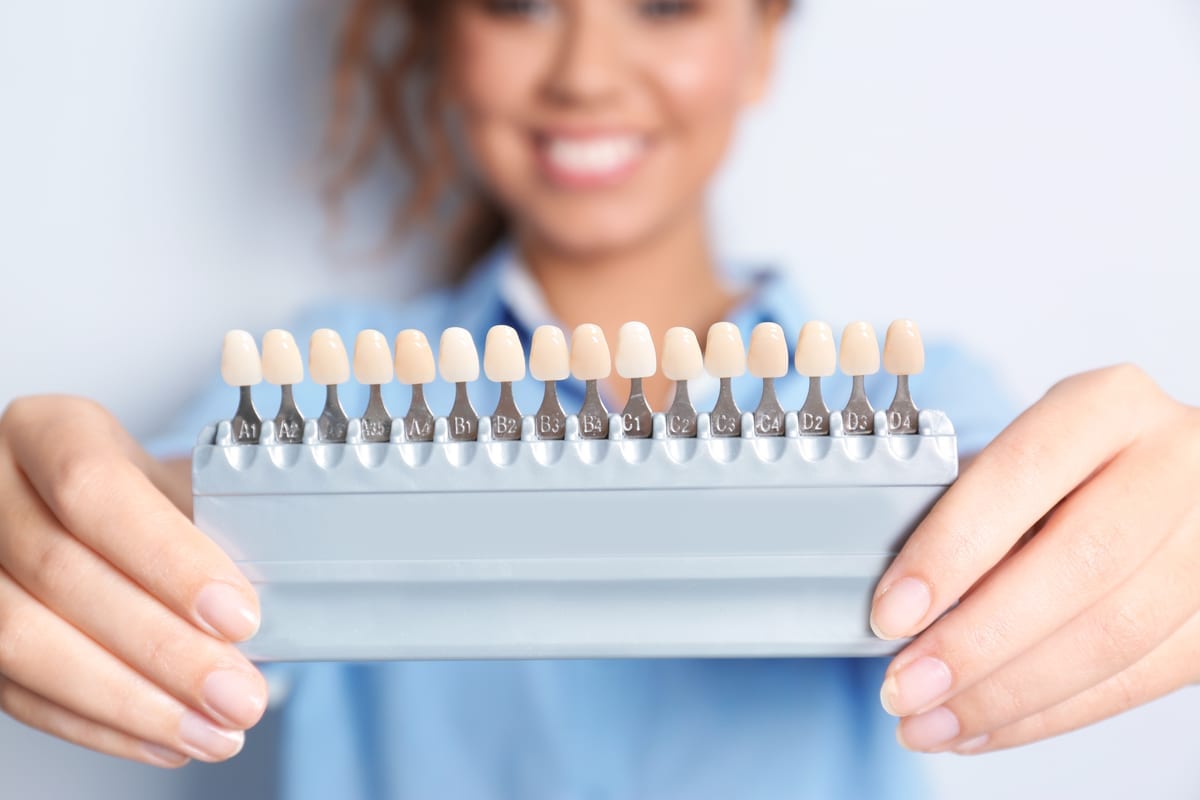
Veneers are thin porcelain shells custom-made in a dental lab. Dental bonding uses tooth-colored resin applied and shaped directly on the tooth. Veneers tend to be more durable and stain-resistant over time. Bonding may be a better short-term option for patients not yet ready for veneers.