
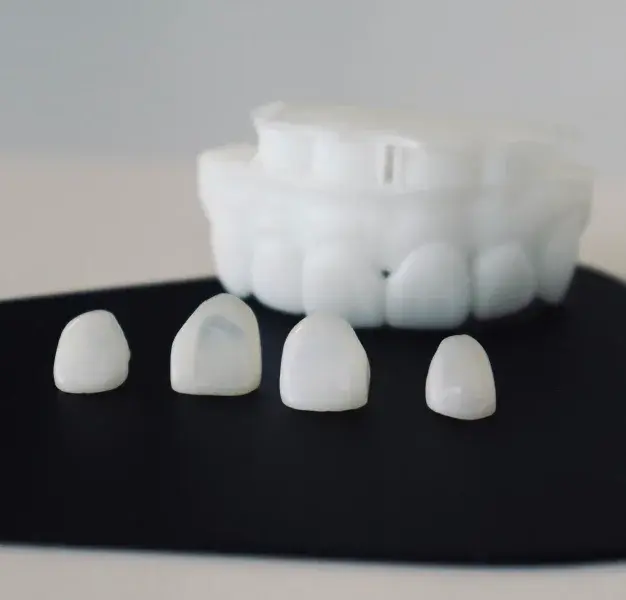
Transform Your Smile with Custom Veneers
A smile plays a bigger role in day-to-day life than most people realize, shaping first impressions and how confident someone feels speaking up in a room. Not every smile starts out camera-ready, but small imperfections rarely need a complete overhaul to fix. At Belmont Dentistry in Scottsdale, dental veneers cover chips, gaps, discoloration, and uneven edges with a set of custom, tooth-colored shells bonded to the front of each tooth, creating a natural, even smile without altering the rest of the tooth’s structure.
Veneers are one of the most versatile treatments in cosmetic dentistry. A single veneer can be designed to blend in seamlessly with the surrounding teeth, or a full set can be placed at once for a more complete smile makeover.
Why Patients Choose Veneers
Veneers are considered one of the most versatile cosmetic treatments because they can correct a wide range of concerns in a single, straightforward process, including:
- Chipped or cracked teeth
- Stubborn discoloration that has not responded to whitening
- Uneven, worn, or oddly shaped teeth
- Small gaps between teeth
- A smile that looks older than it should due to worn enamel
Who Is a Good Candidate for Veneers
Most patients with healthy teeth and gums are good candidates for veneers, even when the concern is purely cosmetic. Veneers work best on teeth that are structurally sound, since the treatment changes appearance rather than fixing decay or structural damage underneath. Patients with active gum disease, significant tooth decay, or a habit of grinding their teeth may need that addressed first or may be better suited to a different type of restoration. A consultation at our dental office in Scottsdale is the easiest way to find out whether veneers are the right choice.
The Process of Getting Veneers
Getting veneers usually takes a few visits rather than a single appointment, giving enough time to plan the design, prepare the teeth, and fit the final shells with precision.

Consultation and Smile Design – The first visit covers a full evaluation of the teeth and a conversation about what the finished smile should look like, sometimes previewed with a mockup of the planned result.
Tooth Preparation – A small amount of enamel, often less than a millimeter, is removed from the front of each tooth so the veneer sits flush and looks natural once bonded. This careful preparation helps maintain a comfortable fit and balanced appearance.
Impressions – Impressions or digital scans of the prepared teeth, are taken and used to design custom veneers that match the shape, size, and shade discussed at the consultation. These detailed measurements help create a restoration that blends naturally with the surrounding smile.
Temporary Veneers – While the permanent veneers are being made, temporary veneers may be placed to protect the prepared teeth and give a preview of the new smile. They also help maintain comfort and appearance during the waiting period.
Bonding the Veneers – Once ready, each veneer is checked for fit and shade, then bonded to the tooth with a strong resin cement. The placement process focuses on creating a secure hold and natural-looking finish.
Final Bite Check – The bite is checked and adjusted as needed, so the new veneers feel as natural as they look. Small refinements help ensure comfortable function and a smooth final result.
Types of Veneers Available
Dental veneers can be made from different materials, and the right option depends on your smile goals, tooth structure, and desired level of change.
- Porcelain veneers: A durable, stain-resistant option that closely reflects the light and appearance of natural enamel.
- Composite veneers: Tooth-colored resin is applied directly to the tooth and shaped in place. This option may require less preparation but may not last as long as porcelain.
- Minimal-prep veneers: In select cases, thinner veneers may allow for little to no enamel removal. Our dentists will determine whether this approach suits your teeth and cosmetic goals.
Caring for Your Veneers
Veneers can last for many years with the right care. They do not need any special treatment beyond what natural teeth already need, though a few habits help them last as long as possible.
- Brush and floss daily, just as with natural teeth
- Keep up with regular checkups and cleanings at the Scottsdale office
- Avoid using teeth as tools to open packaging or bite very hard objects
- Wear a nightguard if clenching or grinding is a habit, since it can chip a veneer over time
Ready for the Smile You Have Been Picturing?
A more even, confident smile might be closer than expected. Schedule a veneer consultation at Belmont Dentistry in Scottsdale to see what is possible.
Frequently Asked Questions
About Dental Veneers
With good care, veneers typically last 10 to 15 years, and sometimes longer. They are durable and resistant to staining, though they can chip like natural teeth if used to bite something very hard.
No. Only a thin layer of enamel, often less than a millimeter, is removed from the front of the tooth. This is enough for the veneer to sit flush without adding bulk, while leaving most of the natural tooth intact.
Veneers are considered a permanent cosmetic treatment because removing enamel to prepare the tooth cannot be undone. The veneers themselves will eventually need replacement after many years of wear, but the process itself is not meant to be reversed.
Yes. Veneers are often used to close small gaps between teeth without the time commitment of orthodontic treatment, giving a straighter-looking smile in just a few visits.
Yes. Veneers at Belmont Dentistry are custom-designed in shape, size, and shade to match the rest of a patient’s smile, so the result blends in rather than looking obviously artificial.
That depends on the goal. Some patients only need one or two veneers to fix a chipped or discolored tooth, while others choose a full set across the front teeth for a more complete smile makeover. Dr. Puneet Sandhu can go over the options during a consultation at the Scottsdale office.
Veneers resist staining much better than natural enamel, so they generally keep their color well over time. Natural teeth around them can still stain from coffee, tea, or tobacco, which is worth keeping in mind when planning a smile makeover.
Tooth preparation is done with local anesthesia when needed, so patients should not feel pain during the appointment. Some mild sensitivity to temperature is normal for a few days afterward as the teeth adjust.