
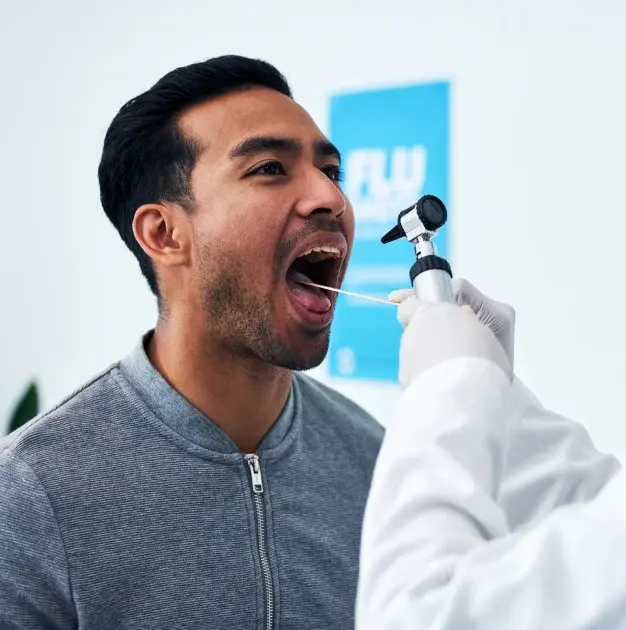
A Few Extra Minutes That Can Make a Real Difference
Oral cancer can develop in the mouth, throat, tongue, lips, or cheeks, and in its early stages it often causes no pain or obvious symptoms at all. Because of this, an oral cancer screening is one of the most valuable things a routine dental visit can offer, since a small change in tissue color or texture can be spotted well before a patient would notice anything on their own.
At Belmont Dentistry in Scottsdale, a screening is built into every routine exam, adding only a few extra minutes to a visit you are already scheduling. Finding a potential problem early consistently leads to simpler treatment and a better outcome than finding it later, which is exactly why this step is never skipped.
What an Oral Cancer Screening Looks For
During a screening, the dentist examines several areas of the mouth and surrounding tissue for anything unusual.
- Red or white patches on the gums, tongue, or lining of the mouth
- Sores that have not healed within two weeks
- Lumps, thickened tissue, or rough spots
- Numbness or persistent pain in the mouth, face, or neck without a clear cause
- Difficulty chewing, swallowing, or moving the jaw or tongue
- Changes in the way teeth fit together or a denture fits
Who Should Be Screened for Oral Cancer
Every patient benefits from a screening, though a few factors raise the importance of staying consistent with routine visits.
- Tobacco users, including smoking and smokeless tobacco
- Frequent or heavy alcohol use
- A history of HPV infection
- Prolonged sun exposure, which increases risk for lip cancer
- A family history of oral or other cancers
- Anyone over the age of 40, since risk increases with age
What Happens During an Oral Cancer Screening
A screening is a visual and physical exam that takes just a few minutes as part of your regular checkup at Belmont Dentistry.

Reviewing Your Health History – Before the exam begins, you are asked about any symptoms, tobacco or alcohol use, and other risk factors that help guide exactly what to look for during your specific screening.
Visual Examination of the Mouth – The dentist closely examines the lips, cheeks, gums, and the roof and floor of the mouth for discoloration, sores, or unusual spots.
Visual Examination of the Throat – A quick look at the back of the throat and tonsil area checks for any visible changes that could be an early warning sign.
Checking the Tongue and Underside of the Mouth – The tongue is gently moved to check its sides and underside, an area that is easy to miss during a quick glance but is a common spot for early changes to appear.
Physical Examination – The jaw, neck, and mouth tissue are gently felt by hand to check for lumps or thickened areas that are not visible on the surface alone.
Discussing Findings – If nothing unusual is found, that is confirmed right away. If something needs a closer look, the next steps are explained clearly before you leave.
What Happens If Something Is Found
Most unusual findings turn out to be harmless, often caused by something as simple as irritation from a denture, a retainer, or accidentally biting the cheek. When something does need a closer look, the next step is usually either watching the area for a short period to see if it resolves on its own or a referral to a specialist for further evaluation and testing. Being asked to come back for a follow-up look is common and does not necessarily mean anything serious has been found, but it is always taken seriously so nothing gets overlooked.
Why Early Detection Makes Such a Difference
When oral cancer is found early, before it has had a chance to spread to other tissue or lymph nodes, treatment is generally less invasive, and outcomes tend to be far better than when it is discovered at a later stage. This is exactly why a quick screening at every visit matters so much, even for patients who feel completely fine and have no obvious symptoms. A change that might otherwise go unnoticed for months can be caught during a routine cleaning and exam at Belmont Dentistry, often long before it would cause any pain or become visible on its own.
Make Screenings Part of Your Routine
An oral cancer screening is already included every time you come in for a cleaning and exam, so staying consistent with routine visits is one of the easiest ways to protect your health. Reach out to the Scottsdale office to schedule your next visit.
Frequently Asked Questions
About Oral Cancer Screenings
An oral cancer screening should happen at every routine exam, which for most patients means about every six months. Staying consistent with these visits is one of the simplest ways to catch anything unusual early.
No. The screening is a visual check paired with a gentle feeling of the jaw, neck, and mouth tissue, and it adds no discomfort to your regular exam.
Early signs can include a sore that does not heal within two weeks, a red or white patch in the mouth, a lump or thickened area, or persistent numbness or pain without a clear cause. Many of these changes are painless at first, which is why a professional screening matters.
Yes, though the risk is lower. Factors like HPV infection, prolonged sun exposure on the lips, and simply getting older can all play a role, so screenings are recommended for every patient regardless of lifestyle.
At Belmont Dentistry, a screening takes just a few minutes and is completed as part of your regular cleaning and exam appointment, so no extra visit is needed.
Most unusual findings turn out to be harmless, caused by something like irritation from a denture or accidental biting. If anything looks like it needs closer attention, the next steps are explained clearly, which may include monitoring the area for a short time or a referral to a specialist for further evaluation.
Because the screening is included as part of a routine exam, it is typically covered the same way the rest of the exam is under most dental insurance plans. Our front office can help verify your specific coverage.
Yes. Certain strains of HPV are linked to a rising number of oral cancer cases, which is one of the reasons screenings are recommended for patients of all ages, not just those with traditional risk factors like tobacco use.